Research
My scholarship examines the frictions and decision-making processes that affect how financial and human capital are allocated throughout the economy, concentrating on three areas: (1) financial frictions in climate finance, (2) investor decision-making, and (3) labor–finance interactions. Click a paper for a summary and headline figure.
Working Papers
Directing the Labor Market: The Impact of Shared Board Members on Employee Flows
Conditionally accepted, Review of Financial Studies
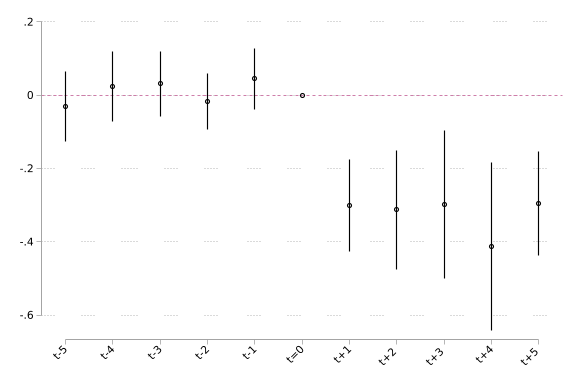
Employee flows between firms decrease roughly 20–30% when firms share a board director, with more pronounced effects for high-skill workers and competing firms.
Conferences: SFS Cavalcade, European Winter Finance Summit, Owners as Strategists, NFA, Endless Summer, EFA, Northeastern Finance Conference, CSFN Conference on Governance and Sustainability, Bretton Woods Ski Conference, MFA, Santiago Finance Workshop, Labor & Finance Group at the Chicago Fed, Conference on Empirical Legal Studies at UChicago, Dolomites Summer Finance, Erasmus Corporate Governance. Seminars: Michigan State, Tennessee, Georgia Tech, Vanderbilt.
Dissecting Retail Investor Trading Tendencies
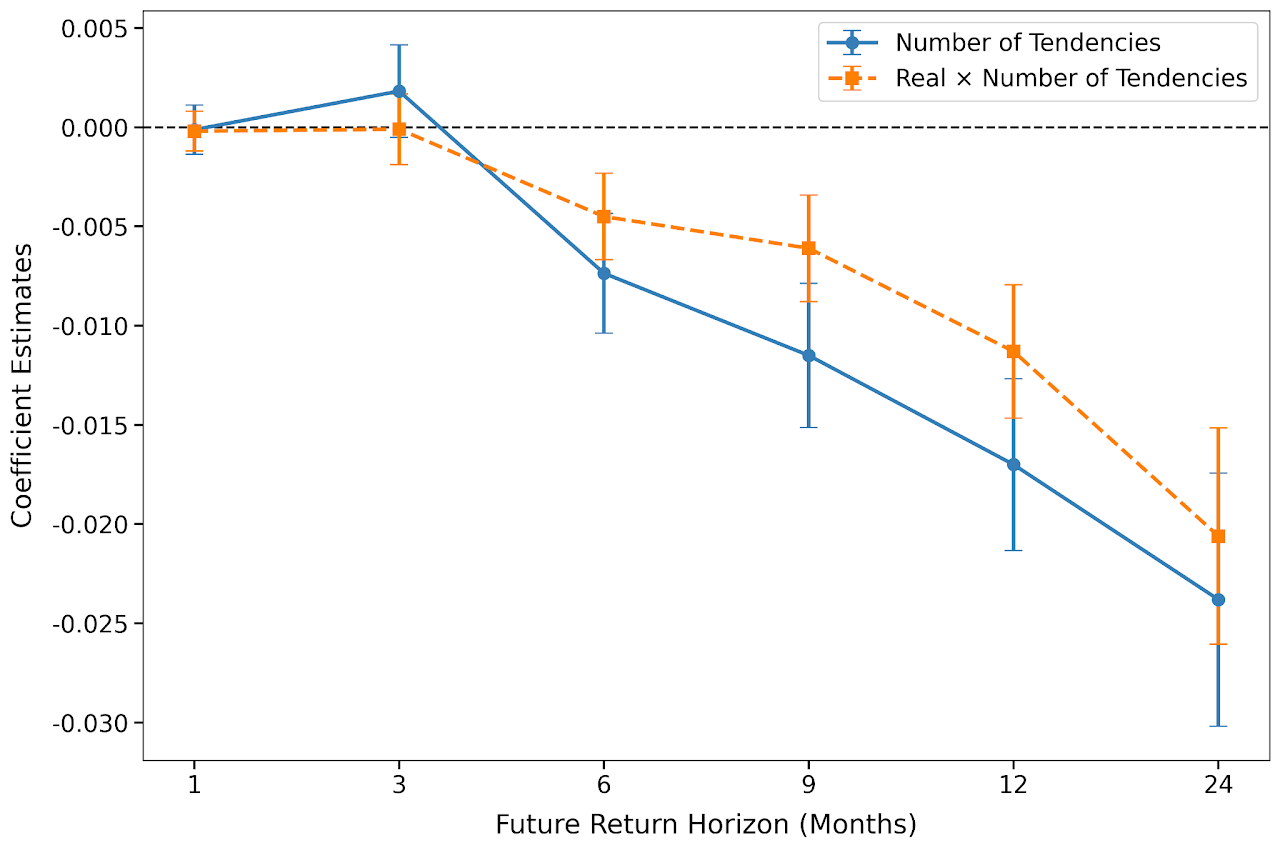
Using 14.5 years of retail and institutional trading data, we find roughly 20% of previously documented trading tendencies are not more prevalent among retail investors than random trading, and fewer than half are both more prevalent than random trading and associated with negative performance. The average retail tendency is associated with 128 basis points lower returns over 12 months; attention-related tendencies are especially costly.
Conferences: FIRS, UIC Finance Conference, EasternFA, CFEA, Alpine Finance Summit, Boulder Summer Conference on Consumer Financial Decision Making, UCONN Finance Conference, International Behavioural Finance Conference, FMA. Seminars: Alabama, Peking University HSBC – Shenzhen, Georgia Tech, Tennessee.
Publications
Can Markets Discipline Government Agencies? Evidence from the Weather Derivatives Market
Journal of Finance, 2016, 71, 303–334
Financial markets can shape government agency incentives: the National Weather Service measures temperature more accurately at locations after the CME introduces weather derivative contracts that settle on those stations’ measurements.
Financial Sector Stress and Risk Sharing: Evidence from the Weather Derivatives Market
Review of Financial Studies, 2019, 32(6), 2456–2497
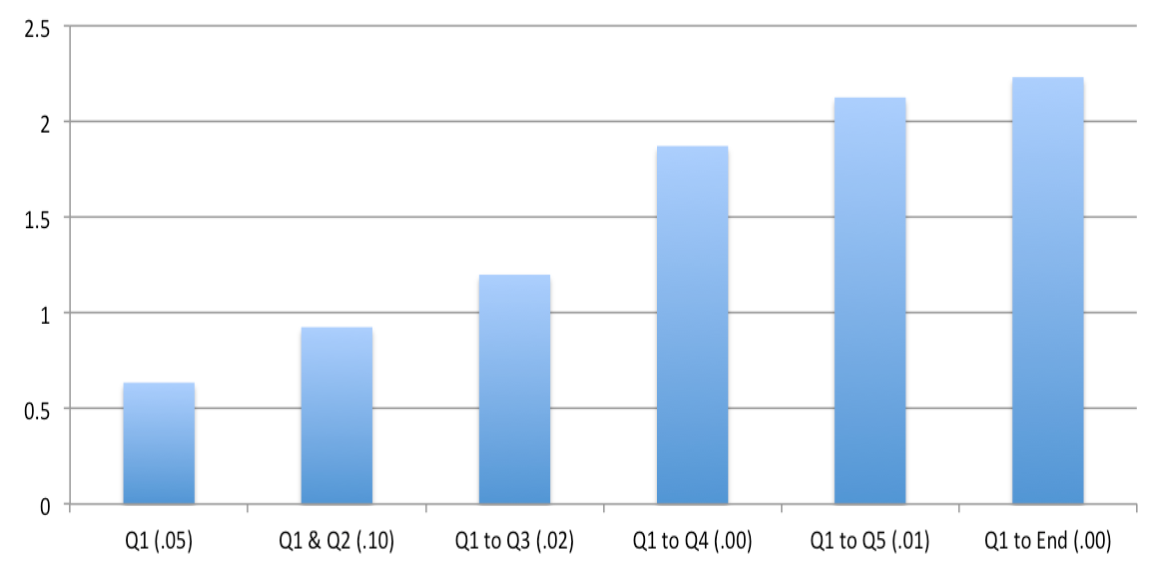
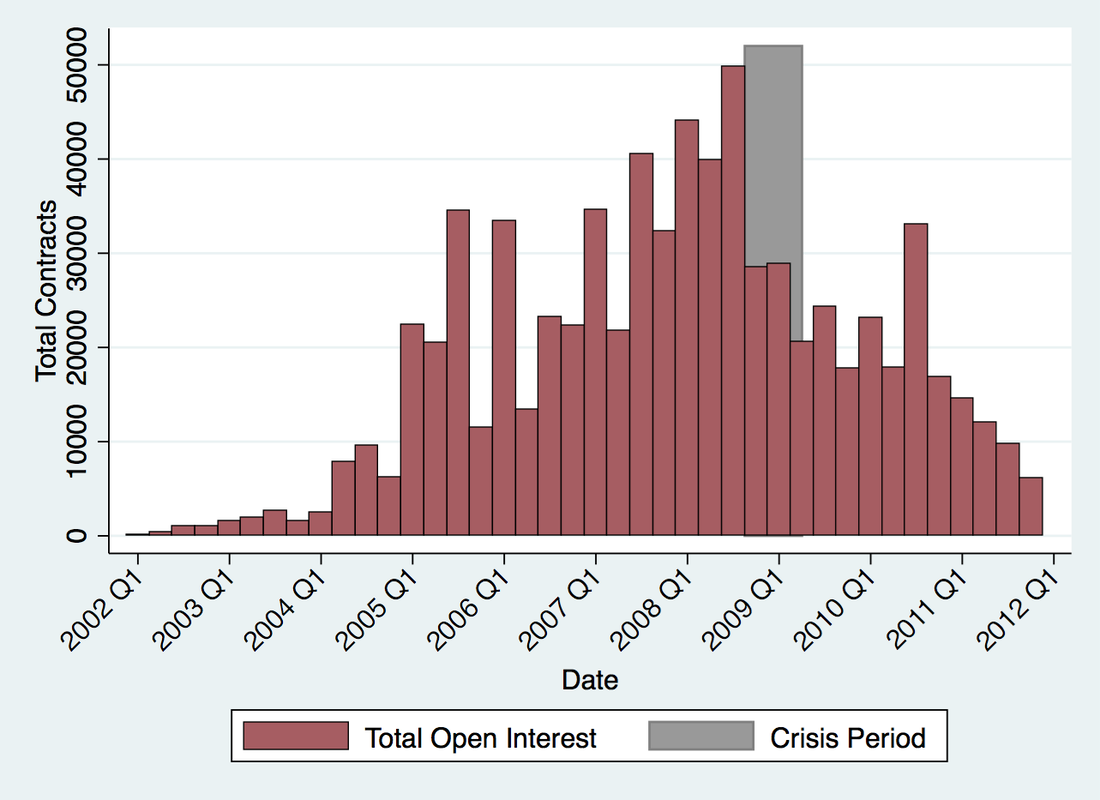
Provides causal evidence of the effect of financial sector stress on exchange-traded contract pricing and economy-wide risk sharing.
Are Monthly Market Returns Predictable?
Review of Asset Pricing Studies, 2021, 11(4), 806–836
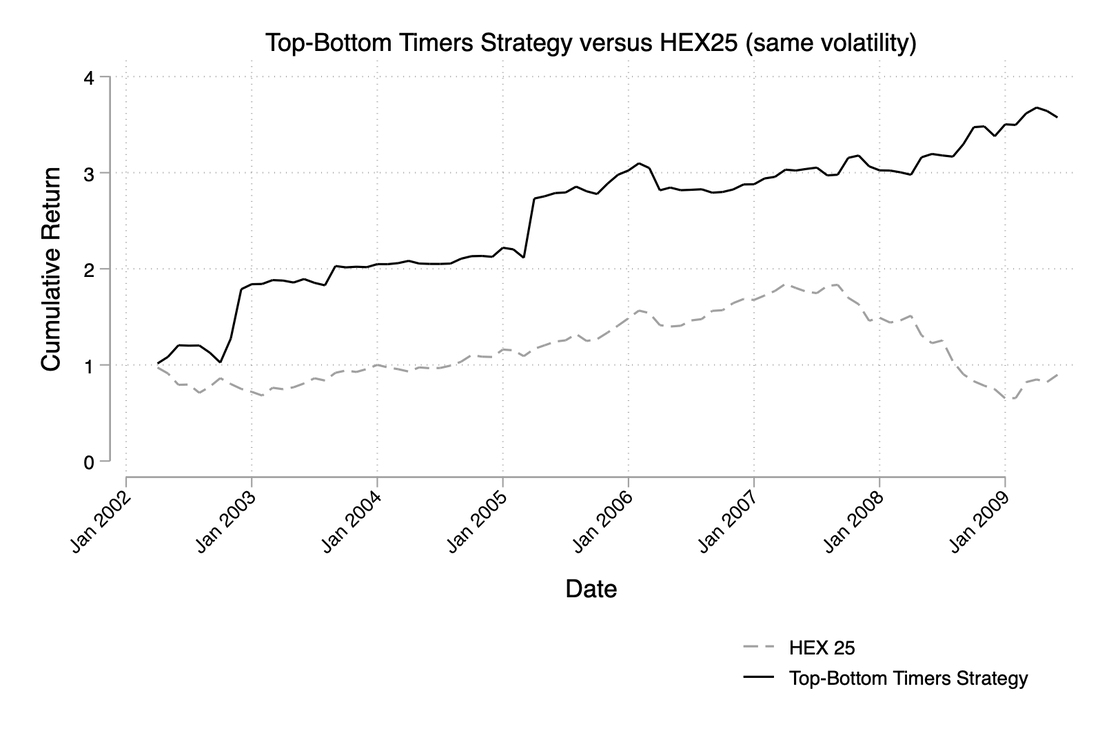
Documents significant persistence in the market timing performance of active individual investors, suggesting some investors possess market timing skill.
Revealed Heuristics: Evidence from Investment Consultants’ Search Behavior
Review of Asset Pricing Studies, 2022, 12(2), 543–592
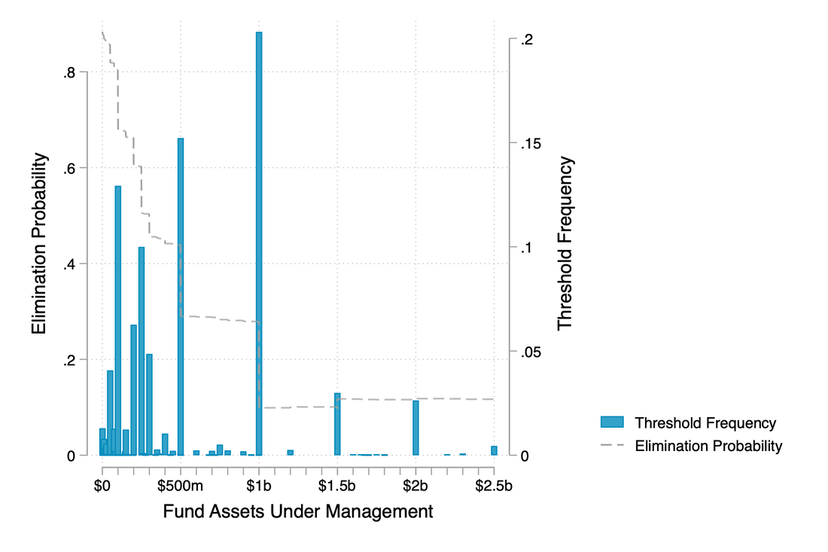
Investment consultants employ threshold screens clustered at cognitive reference numbers (e.g., $500MM AUM, 0% excess returns); this clustering affects fund elimination outcomes. Outstanding Paper Award, 2019 Mid-Atlantic Research Conference.
Firm Finances and the Spread of COVID-19: Evidence from Nursing Homes
Review of Corporate Finance Studies, 2023, 12(1), 1–35 (Editor’s Choice)
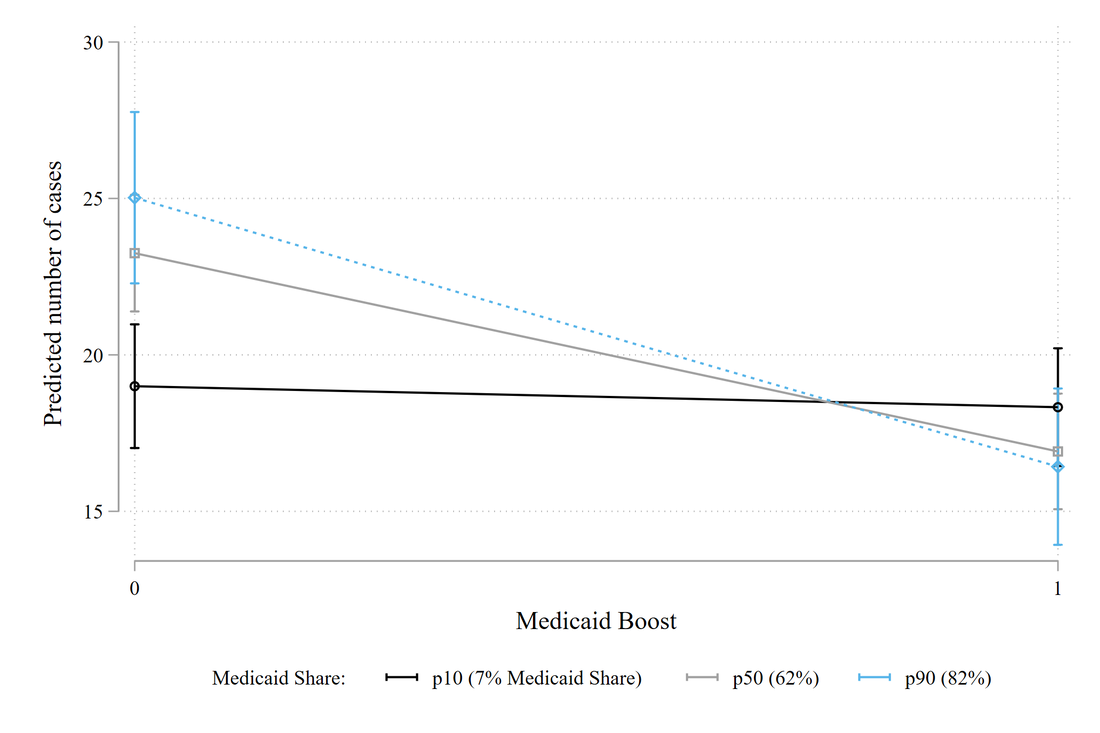
Financial resources play an important role in mitigating the spread of COVID-19 in nursing homes: Medicaid reimbursement increases yielded relatively better outcomes at facilities more dependent on Medicaid revenue.
Disaster Lending: “Fair” Prices, but “Unfair” Access
Management Science, 2024, 70(12), 8484–8505
Risk-insensitive loan pricing in government programs makes marginal credit quality borrowers less likely to receive credit in SBA disaster programs.
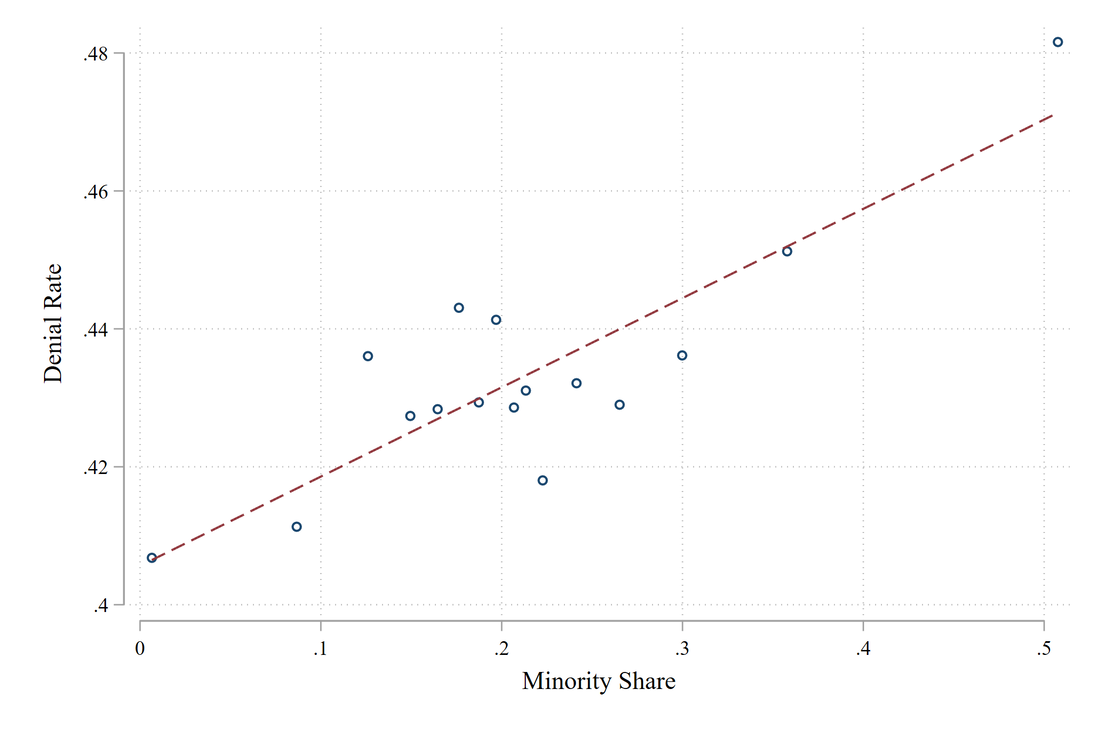
From L.A. to Boise: How Migration Has Changed During the COVID-19 Pandemic
Journal of Financial and Quantitative Analysis, 2024, 59(5), 2068–2098
High-income movers relocated from large cities during the pandemic, motivated less by job opportunities and more by non-work factors. Areas receiving high-income household inflows experienced greater economic growth.
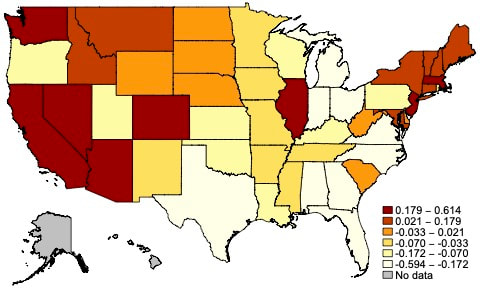
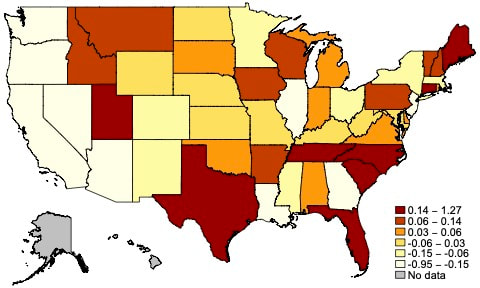
Uncovering Financial Constraints
Journal of Financial and Quantitative Analysis, 2024, 59(6), 2582–2617
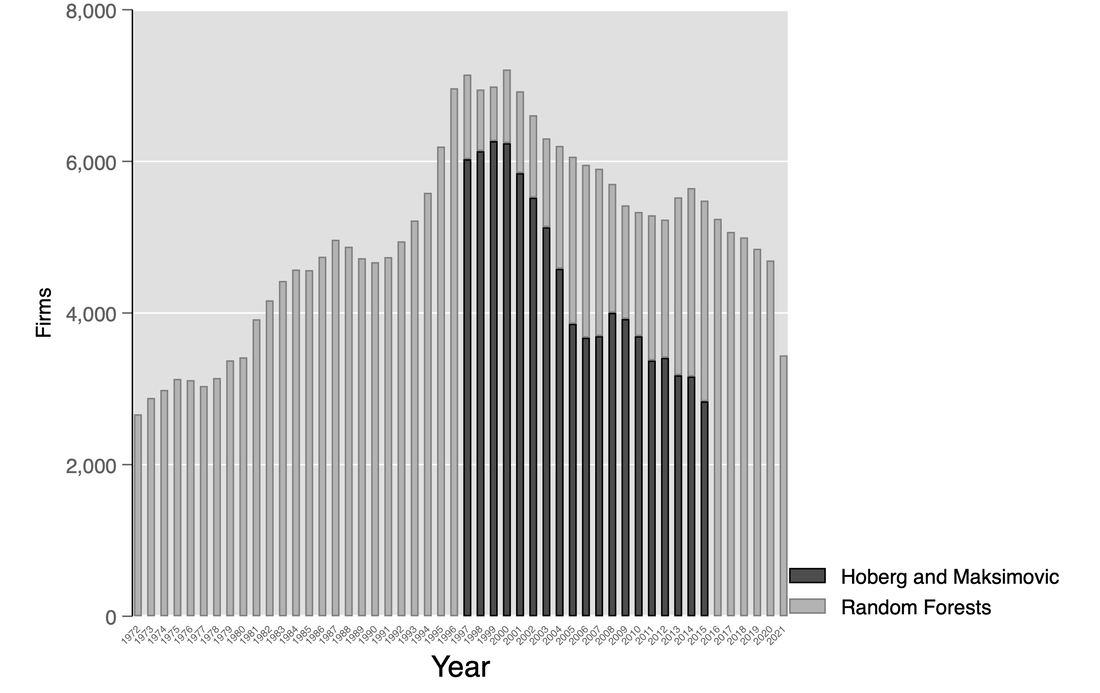
Random forest classification identifies firm financial constraints. Constraint measures are available on the Data page.
Long-Run Labor Costs of Housing Booms and Busts
Journal of Financial and Quantitative Analysis, 2024, 59(8), 3871–3899
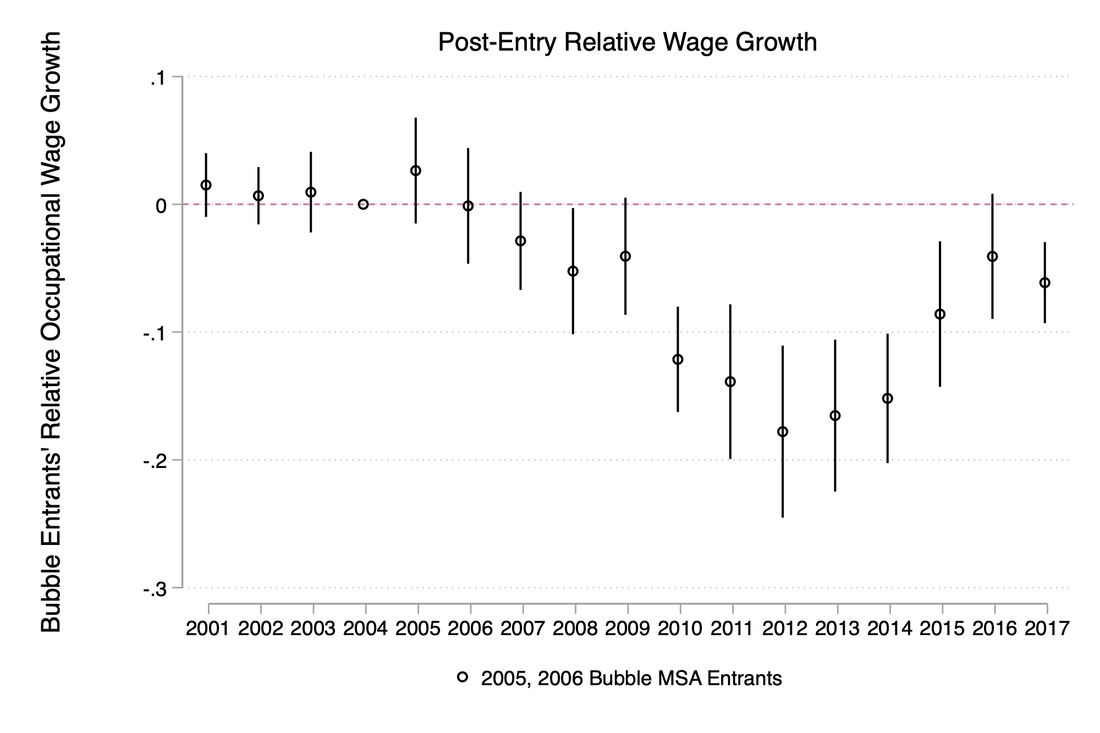
Analysis of nearly 7 million workers’ career paths reveals severe negative long-run outcomes for individuals entering realty during the early-2000s boom in areas experiencing non-fundamental house price growth.
A Flash in the Pan(demic)? Migration Risks and Municipal Bonds
Management Science, 2026, 72(8), 6948–6969
Pandemic-era migration significantly predicts municipal bond yield changes; negative migration shocks increase debt costs, particularly for bonds and areas exposed to work-from-home transitions.